
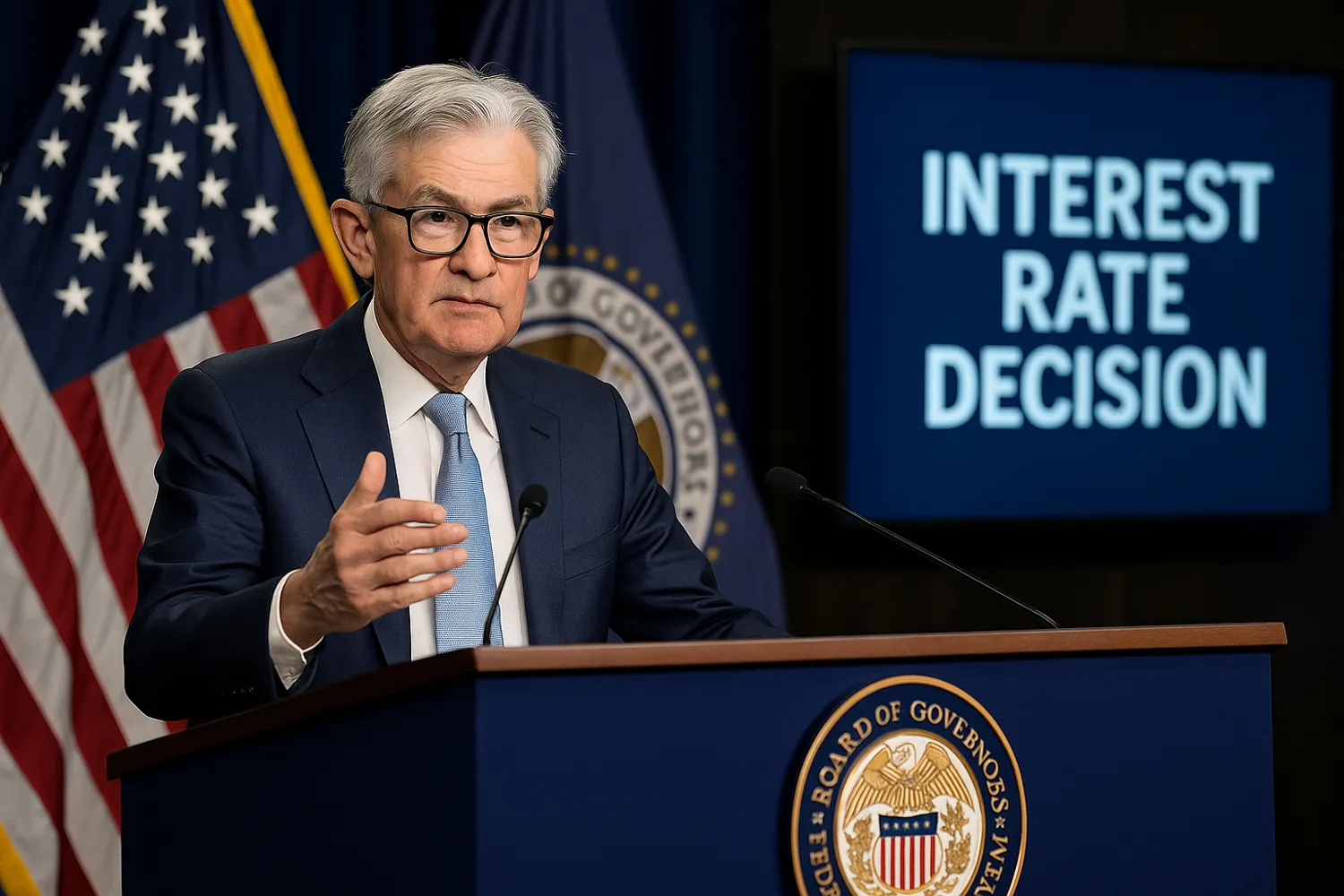
The Fed cuts rates for the first time this year, but the move feels more like a half-step than a lifeline. A quarter-point cut was announced, with one governor even pushing for deeper relief. This decision reveals a central bank caught between fear of inflation ghosts and the desperate need to support growth. In short, the Fed blinked — and the markets know it.
Context: the mainstream narrative
According to official statements, the Federal Reserve’s quarter-point cut is presented as a careful, measured adjustment. Mainstream outlets frame it as a prudent balance between taming inflation and sustaining growth. The story they sell: the Fed is steering cautiously, avoiding extremes, protecting stability. Economic headlines reduce it to a technical maneuver, reassuring investors that “the adults are in the room.”
Oppositional Argument: the illusion of control
But let’s not kid ourselves. The Fed cuts rates timidly while the economy bleeds out. Inflation fears have become a crutch, and this obsession with appearing cautious hides a deeper paralysis. One governor demanded a bigger cut — a rare public fracture that reveals dissent inside the fortress. If the central bank itself cannot agree on urgency, why should the public trust this gesture? Repeating “measured” like a mantra does not heal an economy sliding into stagnation.
Analytical Breakdown: causes and consequences
This hesitation is not new. Every Fed cycle in the last two decades has leaned toward half-measures. In 2008, the delays deepened the collapse. In 2020, emergency slashes came only after the economy was already crashing. And now, in 2025, we watch the same playbook. Consumer spending is slowing, job creation stalling, corporate credit tightening — yet the Fed trims only a symbolic 25 basis points. Markets crave clarity and boldness, but they got ambiguity instead.
Meanwhile, Wall Street reads this as weakness. A timid Fed emboldens speculators who bet on volatility rather than stability. Bond yields remain jumpy. Small businesses, already drowning in debt, see no meaningful relief. This is not monetary leadership; it is theater.
Human Perspective: lives beyond the numbers
Behind every rate decision are ordinary people. Workers squeezed by high rents, families juggling credit card debt at punishing interest, entrepreneurs facing loans they cannot service. For them, the Fed cuts rates too little, too late. A quarter point barely touches their burden. The dissonance between marble halls in Washington and kitchen tables in Ohio or Texas grows wider. While officials debate decimals, families debate groceries or rent.
Counterarguments
Defenders argue that slashing rates more aggressively risks reigniting inflation. They warn that caution is wisdom. But inflation has already cooled, and the threat today is stagnation. Jobs are slowing, growth is sputtering, investment is shrinking. Fear of inflation has become an excuse not to act. A central bank terrified of yesterday’s problem cannot solve tomorrow’s crisis.
Conclusion: a weak signal in a fragile time
The Fed cuts rates, but the gesture feels empty. The mainstream praises prudence, yet the cracks are visible. A central bank divided, a public unconvinced, and an economy drifting toward stagnation. What is needed is decisive leadership, not a quarter-point nod to appearances. The truth is simple: timid policy is dangerous policy. If the Fed refuses boldness now, the cost will be paid by households, workers, and businesses tomorrow.
External Links
- US Russia Ukraine talks: Florida meeting exposes fragile diplomacy
 The focus keyphrase US Russia Ukraine talks returned to the headlines again, this time with an unlikely backdrop: Florida. According to Reuters, U.S. and Russian officials are preparing to meet on American soil to discuss the future of Ukraine. Officially, the talks follow “progress” on security guarantees for Kyiv. Unofficially, they reveal how fragile, improvised,… Read more: US Russia Ukraine talks: Florida meeting exposes fragile diplomacy
 - US Senate Ukraine Capitulation Debate: Wicker Shatters Trump’s Narrative
 For days Washington drowned in confusion — mixed messages, contradictory statements, and timid attempts to rebrand Moscow’s wish list as a “peace plan.” Then suddenly, a voice broke through the noise. Not a junior lawmaker hungry for attention. Not a commentator shouting into a void. But Senator Roger Wicker, the Republican chairman of the Senate… Read more: US Senate Ukraine Capitulation Debate: Wicker Shatters Trump’s Narrative
 - Telloos Global Content Platform: Defying Big Tech Censorship
 The global creator economy is broken. TikTok bans anything it can’t algorithmically classify. Instagram suffocates creators under moral panic disguised as “community guidelines.” OnlyFans lives in permanent exile from mainstream app stores. Every major platform claims to defend creative freedom while quietly erasing anything that triggers a moderation filter. Into that suffocating ecosystem steps a… Read more: Telloos Global Content Platform: Defying Big Tech Censorship
 - China US Tariffs 2025: Beijing’s 34% Strike Tests Trump’s Gamble
 Beijing has responded — not with negotiation, not with compromise, but with a hammer. Hours after Washington confirmed its “reciprocal” tariff plan, China announced 34% duties on every single U.S. import, effective December 10. The move mirrors Trump’s December 1 tariffs almost percentage for percentage, item for item. It is the most sweeping retaliation in… Read more: China US Tariffs 2025: Beijing’s 34% Strike Tests Trump’s Gamble
 - Charlie Munger Diversification Myth: The Power of Focus
 When financial advisors preach diversification, they often invoke safety, prudence, and balance — the idea that a well-mixed portfolio shields investors from risk. But Charlie Munger, Warren Buffett’s legendary partner and the razor-sharp vice chairman of Berkshire Hathaway, had little patience for that orthodoxy. His philosophy was blunt, unapologetic, and radically simple: know what you… Read more: Charlie Munger Diversification Myth: The Power of Focus