Context: From punk brand to mainstream sellout
BrewDog started in 2007 with two Scots brewing craft beer in a garage. They promised to break the rules of the stuffy beer industry. For a while, it worked. Their marketing stunts—dropping taxidermied squirrels stuffed with bottles, brewing the “world’s strongest beer”—made them famous. Investors and fans bought into the rebel image.
But as the brand expanded globally, the “punk” attitude turned into something else: lawsuits, union-busting accusations, and overleveraged growth. BrewDog became the very corporate machine it once mocked.
Mainstream narrative versus reality
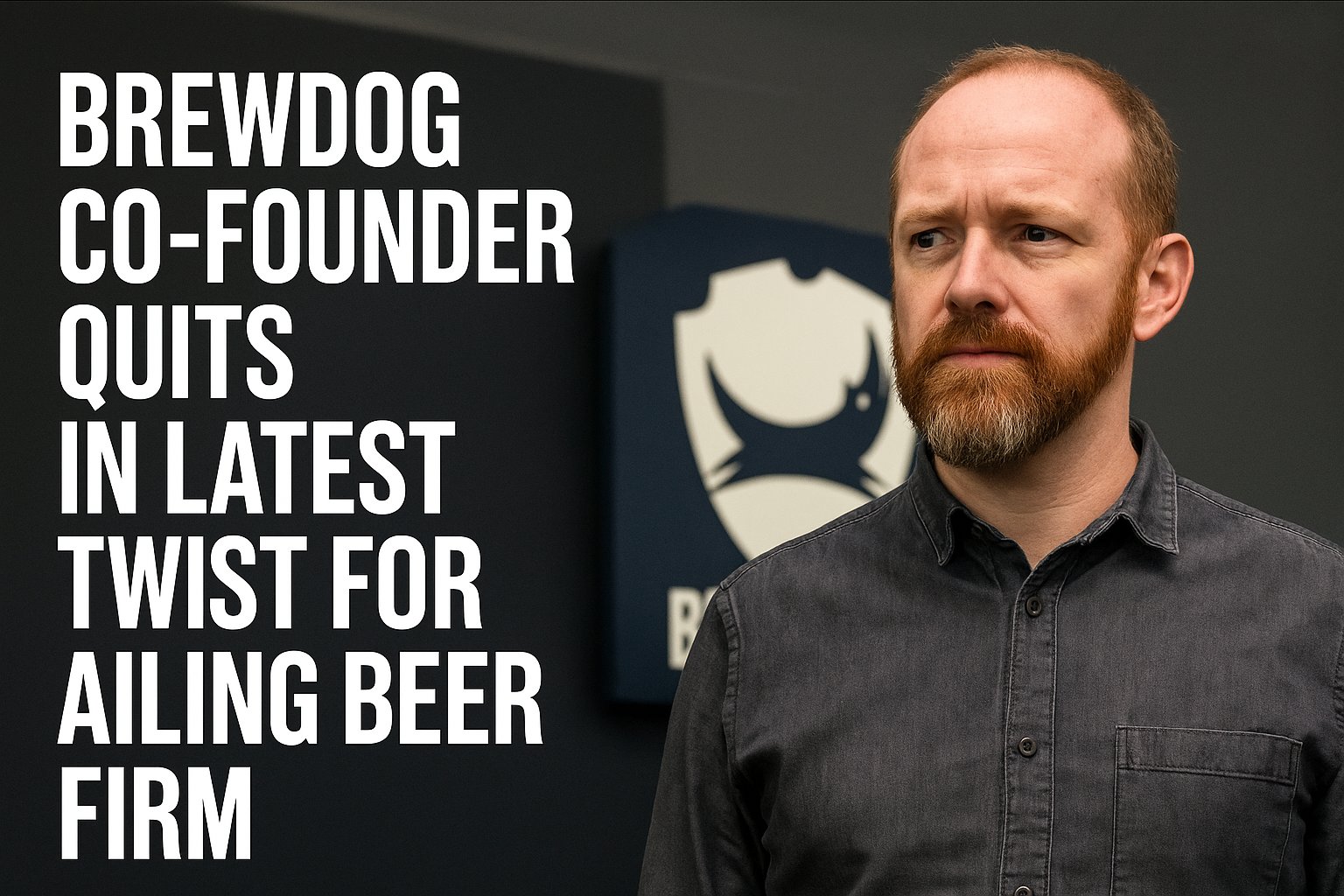
Mainstream outlets describe Martin Dickie’s departure as a “natural transition” during a difficult period. But the reality is sharper: leaders don’t abandon ship unless the storm is overwhelming.
BrewDog reported mounting debts and falling profits. Several UK and US pubs shut doors. Investors whisper about collapsing trust. For a brand that once symbolized independence, survival now depends on desperate cost-cutting and selling assets.
Why BrewDog’s crisis was inevitable
The BrewDog cofounder quits moment is not a surprise for anyone who has followed the company closely. The problems were structural:
- Overexpansion. BrewDog stretched into too many markets without solid foundations.
- Toxic workplace allegations. Former staff accused leadership of harassment and exploitation. The “cult of punk” culture soured into fear and burnout.
- Debt-fueled growth. Loans financed global pubs and breweries, but the returns never matched the hype.
- Investor disillusion. Equity for Punks campaigns once brought in millions. Now, those small investors feel betrayed, left with illiquid shares and plummeting confidence.
Human perspective: the betrayed fans
BrewDog’s loyal fanbase isn’t just consumers—they were shareholders, brand evangelists, and believers in the anti-corporate dream. Many invested small savings into Equity for Punks, trusting in the rebel vision.
Now they watch as pubs close, cofounders leave, and the “punk” dream collapses. To them, the resignation of Martin Dickie is not a management decision—it’s betrayal.
Counterargument: “Restructuring is normal”
Some will argue Dickie’s departure is normal in a maturing company. True—founders often step aside. But what’s happening here is not maturity; it’s retreat. Leadership exits while the brand faces existential crisis. If BrewDog were stable, its cofounder would stay to enjoy the success, not flee during turbulence.
Analytical breakdown: why BrewDog can’t be saved
The craft beer bubble is bursting. Consumer tastes shift, inflation squeezes bar culture, and new independent brewers fill the niche BrewDog once dominated. The company has lost its edge, its identity, and its trust.
When a brand built on rebellion becomes the establishment, collapse is inevitable. BrewDog’s empire shows that fake punk can’t outlive real economics.
Conclusion: Punk is dead, and BrewDog killed it
Martin Dickie’s resignation is a death note to the myth of BrewDog as an eternal rebel brand. The company is no longer the voice of independent craft—it’s a corporate giant sinking under its own contradictions.
The BrewDog cofounder quits moment should be remembered not as a footnote, but as proof that you can’t buy authenticity.