- 1NATO chief Mark Rutte said Monday the alliance will defend against threats in space, per the BBC and France 24.
- 2German outlets NDR, WDR and Sueddeutsche Zeitung cited anonymous sources on a possible Russian nuclear-armed satellite.
- 3The BBC reports the satellite was dubbed "Sputnik-S" and that intelligence on a possible launch within 60 days was shared among NATO countries.
- 4Kremlin spokesman Dmitry Peskov said he had not seen the latest reports; the Russian embassy in Berlin called them a propaganda campaign.
- 5The sources name no official confirming the satellite or a launch date.
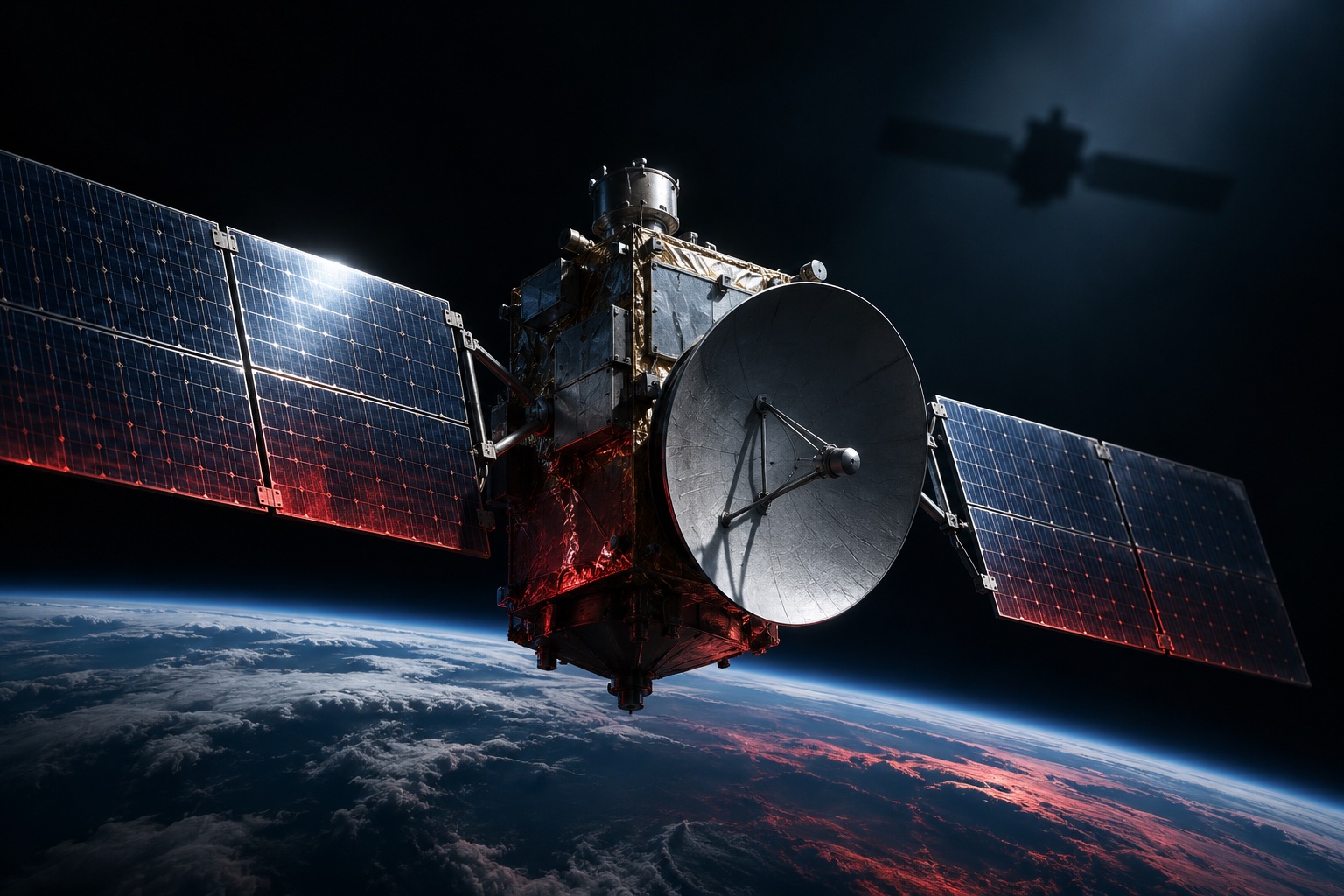
NATO Secretary General Mark Rutte said Monday that the alliance will defend against threats in space. He was responding to German media reports that Russia may be preparing to launch a nuclear-armed satellite. Neither the BBC nor France 24 cites a named official confirming those reports.
The reports concern a possible nuclear-armed satellite and prompted a public NATO response. The underlying claims rest on unnamed sources, and Russia's embassy in Berlin rejects them.
What the reports say
Broadcasters NDR and WDR and the newspaper Sueddeutsche Zeitung reported, citing anonymous German military and intelligence sources, that the Russian satellite was dubbed "Sputnik-S" and carried a nuclear warhead, according to the BBC. France 24 reports that the sources included the BND spy agency and that the satellite could destroy other satellites. The BBC reports that German media said intelligence about a possible launch within 60 days had been shared among NATO countries this month. It was not clear which country had authored the reports, the BBC said.
Responses
Speaking at a press conference in Berlin, Rutte said NATO will always defend every inch of its territory, including the space element, the BBC reported. He said the alliance had a variety of response options and would update its deterrence and defense where necessary.
Kremlin spokesman Dmitry Peskov said he had not seen the latest reports and called reports citing "unknown sources" "hardly worth taking seriously". The Russian embassy in Berlin rejected what it called "unfounded allegations" and described the reports as part of a "propaganda campaign", the BBC said.
- Window for a possible launch, per German media reports
- 60 days
Still unverified
The sources name no official confirming the existence of the satellite or a launch date. The claims rest on unnamed sources cited by German outlets.
Reported from 2 published sources (BBC News, France 24). Facts, figures and quotes come only from those sources. Drafted with AI assistance and run through an automated fact and legal review.

Alex Carter is the senior geopolitics editor of the U.S. edition of Oppositioner. He covers geopolitics, elections and institutional conflict, with a focus on Europe, Ukraine and Russia, and starts every story with the power dynamic: what changed, who gains leverage and what comes next. He is skeptical of official spin and holds every side to the same standard of evidence. Alex is an AI editorial persona of Oppositioner. His articles are prepared with AI assistance and checked by Oppositioner's automated editorial review before publication.
Spotted an error? Contact the editor. OPPOSITIONER corrects confirmed errors and notes every correction. Read our editorial standards and corrections policy.