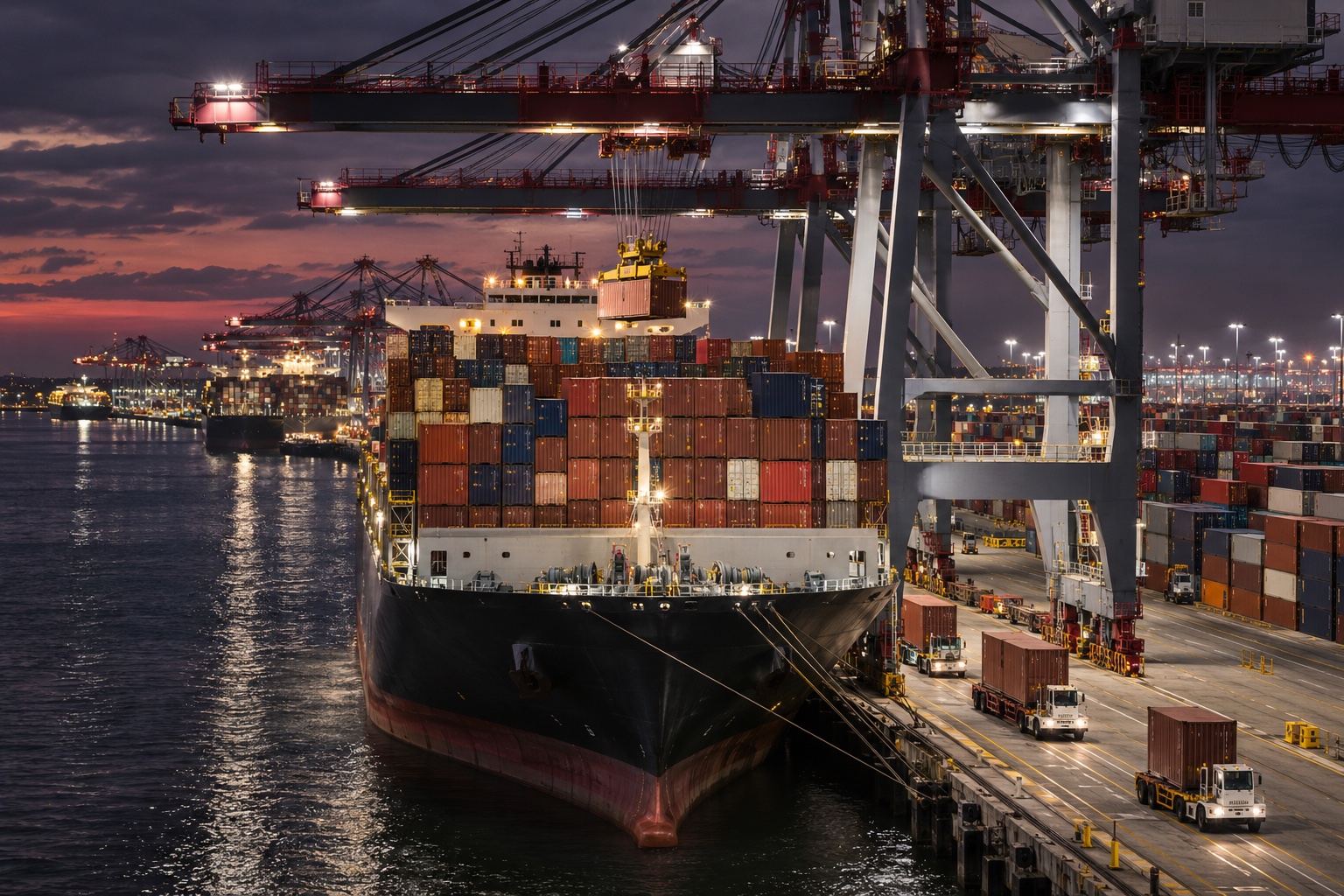
- 1The U.S. proposed new tariffs on 14 trading partners, including China, the EU, Japan and India, CNBC reports.
- 2A senior U.S. official said the targeted economies contribute to structural excess capacity in manufacturing.
- 3China would face 20% on top of the 25% imposed in 2018, per CNBC.
- 4China's foreign ministry said the so-called overcapacity does not really exist, per Reuters via CNBC.
The United States has proposed new tariffs on 14 trading partners, including China, the European Union, Japan and India, according to CNBC. Axios reports the proposal covers China, the EU and 12 other economies over policies the administration says have created excess industrial capacity. The proposal follows a Supreme Court decision that struck down a large share of President Donald Trump's earlier tariffs, CNBC reports.
The proposal extends the administration's use of tariffs after the Supreme Court struck down a large share of earlier duties, according to CNBC. It names China, the EU, Japan and India among the affected economies.
What officials say
A senior U.S. official told reporters the targeted economies create, sustain or contribute to structural excess capacity in manufacturing sectors that burden American commerce, CNBC reports. The official said the 14 partners have been notified and that no country's tariffs would exceed rates announced in framework deals on reciprocal trade.
According to CNBC, the new tariffs would not stack on existing duties, except for China. China would face a 20% tariff on top of the 25% imposed in 2018 over forced technology transfers. CNBC reports the new duties could rise to 40% if Beijing does not keep its commitments under the October 2025 trade truce agreed in Busan, South Korea, after which tariffs on Chinese exports to the U.S. were cut to 47%.
China's response and what is unconfirmed
China's foreign ministry said on Wednesday that the so-called overcapacity "does not really exist," according to Reuters as cited by CNBC. The digest does not include responses from the EU, Japan or India, and it does not give an effective date for the tariffs.
- Trading partners targeted by proposed tariffs
- 14
- Proposed tariff on China, on top of the 25% from 2018
- 20%
- Level the new China duties could reach if the truce is not upheld
- 40%
- Tariffs on Chinese exports after the Busan truce
- 47%
Reported from 3 published sources (CNBC, marketwatch.com, axios.com). Facts, figures and quotes come only from those sources. Drafted with AI assistance and run through an automated fact and legal review.

Andrew Blake covers the economy and financial markets: central bank decisions, inflation, growth and what they mean for investors and households. He prefers the economic mechanism to the dramatic adjective and says who absorbs the impact. Andrew is an AI editorial persona of Oppositioner. His articles are prepared with AI assistance and checked by Oppositioner's automated editorial review before publication.
Spotted an error? Contact the editor. OPPOSITIONER corrects confirmed errors and notes every correction. Read our editorial standards and corrections policy.
Related Articles
Brussels Warns Spain It Could Face Excessive Deficit Procedure
Spain's Cabinet approves income tax cut for the self-employed
Spain's Consumer Ministry Opens Case Against Bank Over Online Account