
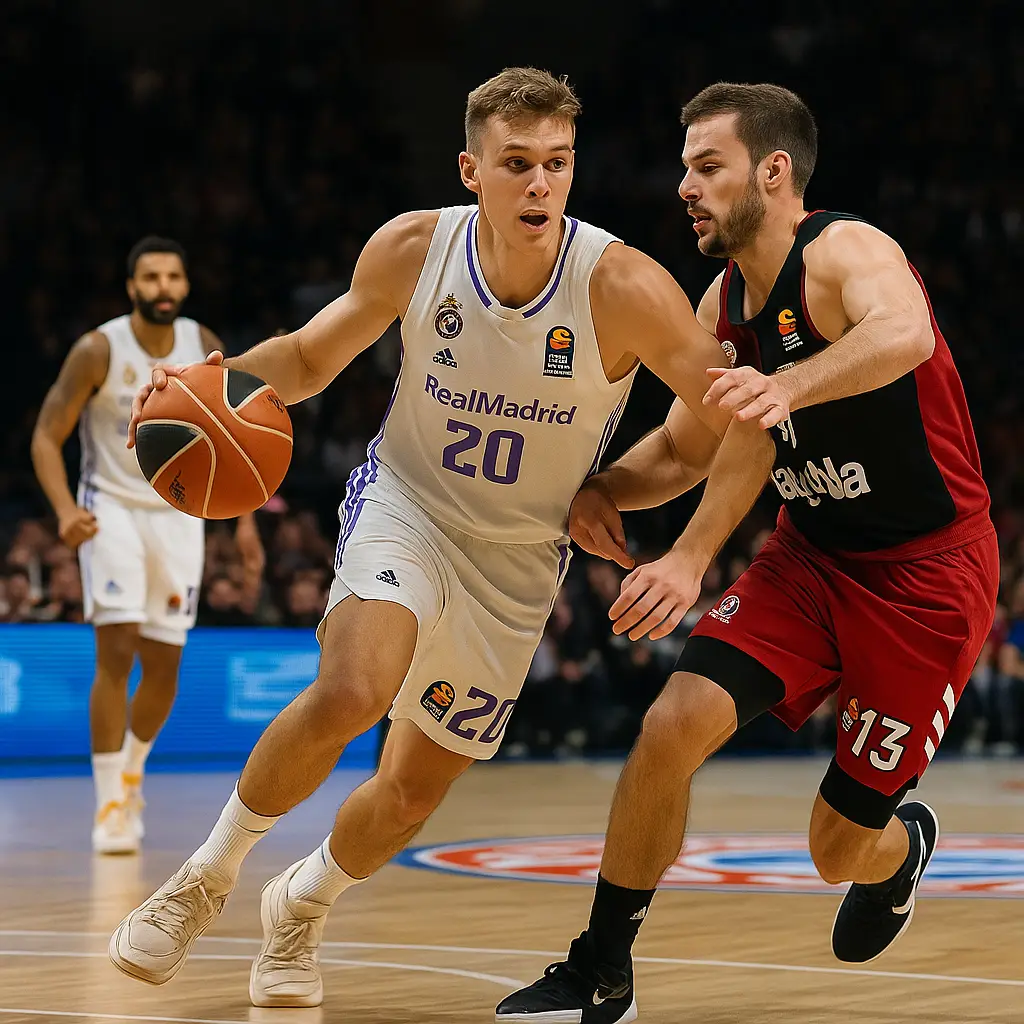
Interest in basketball across Europe has grown steadily. Nations such as Spain, Greece, and the Czech Republic continue to produce elite players. By including famous clubs like Real Madrid and Bayern Munich, the NBA wants to use existing passion and turn it into even stronger fan loyalty. Partnerships with these teams also help the league strengthen its reputation in key European markets.
Europe provides a deep pool of emerging talent. The new league will give players the chance to compete at a high level and showcase their skills. It will work as a development platform. Many of these players could eventually join NBA teams. The arrangement benefits everyone. European athletes get exposure and experience, while the NBA gains a wider talent pipeline that increases the level of competition.
The NBA’s approach combines brand growth with player development. It reflects a strategy to expand globally while respecting local basketball traditions and fan culture.
Impact on EuroLeague and Current Competitions
The announcement of the NBA European Basketball League created debate across the basketball community. The EuroLeague is currently Europe’s top professional competition. It has strong traditions and dedicated supporters. The arrival of a new NBA backed league could disrupt this balance.
If top European clubs take part in the new league, the EuroLeague may lose major players and sponsorships. Viewers could shift to NBA affiliated teams, which might reduce attendance at existing tournaments. Fans may prefer watching matchups that involve well known NBA brands.
Sponsorship deals will also change. Companies often invest in competitions with more visibility. This means the EuroLeague must react. Its leaders have already expressed concerns about the challenges they face. To stay competitive, they will need strategies to improve fan engagement and maintain financial stability.
The creation of the NBA European Basketball League signals a shift in European basketball’s structure. Existing leagues will have to adapt quickly to protect their audience and maintain their position in the market.
Financial Goals and Revenue Potential
The NBA’s move into Europe focuses strongly on revenue opportunities. Broadcasting rights are a major driver. Television and streaming companies want exclusive access to high profile games. Europe’s large sports audience makes this market highly valuable.
Merchandise sales will also increase. The NBA brand is popular worldwide. By launching a European league, the organization can create products that resonate with local fans. Jerseys, limited edition items, and other branded products will boost profits and create stronger fan identity.
Ticket sales will play a crucial role too. Fans will have the chance to attend NBA level games in major European arenas. These events will generate significant income and raise the profile of the competition.
Legal and Regulatory Challenges
Creating a league in Europe involves navigating complex legal rules. The European Union enforces strict regulations on professional sports. Contracts, player transfers, and arbitration must follow EU standards.
The Court of Arbitration for Sport often handles disputes in international competitions. The NBA must align with this system to avoid legal conflicts. Potential issues include player eligibility and transfer fees. Preparing clear agreements in advance is essential for smooth operations.
Opportunities for Players and Fans
The NBA European Basketball League offers new opportunities for young athletes. Talented players in Europe will gain direct exposure to NBA scouts. This visibility could accelerate their careers and create a strong talent pipeline between Europe and the United States.
Fans will also benefit from the new league. They will be able to watch NBA level games in their own cities. Local supporters can enjoy high quality basketball without traveling overseas. The NBA’s marketing reach will enhance fan experience and build a stronger connection to the sport.
Cultural Impact and Possible Risks
Despite the advantages, there are risks to consider. Some fans may remain loyal to traditional European leagues and see the NBA’s project as too commercial. Domestic competitions could lose attention and struggle to keep their top talent.
Balancing innovation with respect for European basketball culture is critical. The NBA will need to work closely with local federations and clubs. A cooperative approach can ensure growth for all sides instead of creating division among fans and organizations.
Long Term Outlook
The NBA European Basketball League represents a major milestone in basketball’s global evolution. It brings exciting opportunities for players, fans, and sponsors. At the same time, it challenges established structures and traditions in European sports.
Success will depend on integration with existing competitions and careful respect for local markets. If managed well, the project can raise the profile of basketball worldwide and deliver a new era of international competition.
For more updates on global sports projects, visit our sports insights page and check official NBA announcements on nba.com.