- 1Herzog said Saturday night that Gadi Eisenkot has the first chance to form Israel's government, CNBC reports.
- 2The BBC and the Washington Examiner report Eisenkot has 28 days, with a possible 14-day extension; CNBC says up to six weeks.
- 3The BBC reports Netanyahu's bloc won 53 seats, Eisenkot's bloc 48 and two Arab-led alliances 19.
- 4The Washington Examiner reports 67 incoming lawmakers recommended Eisenkot and 46 recommended Netanyahu.
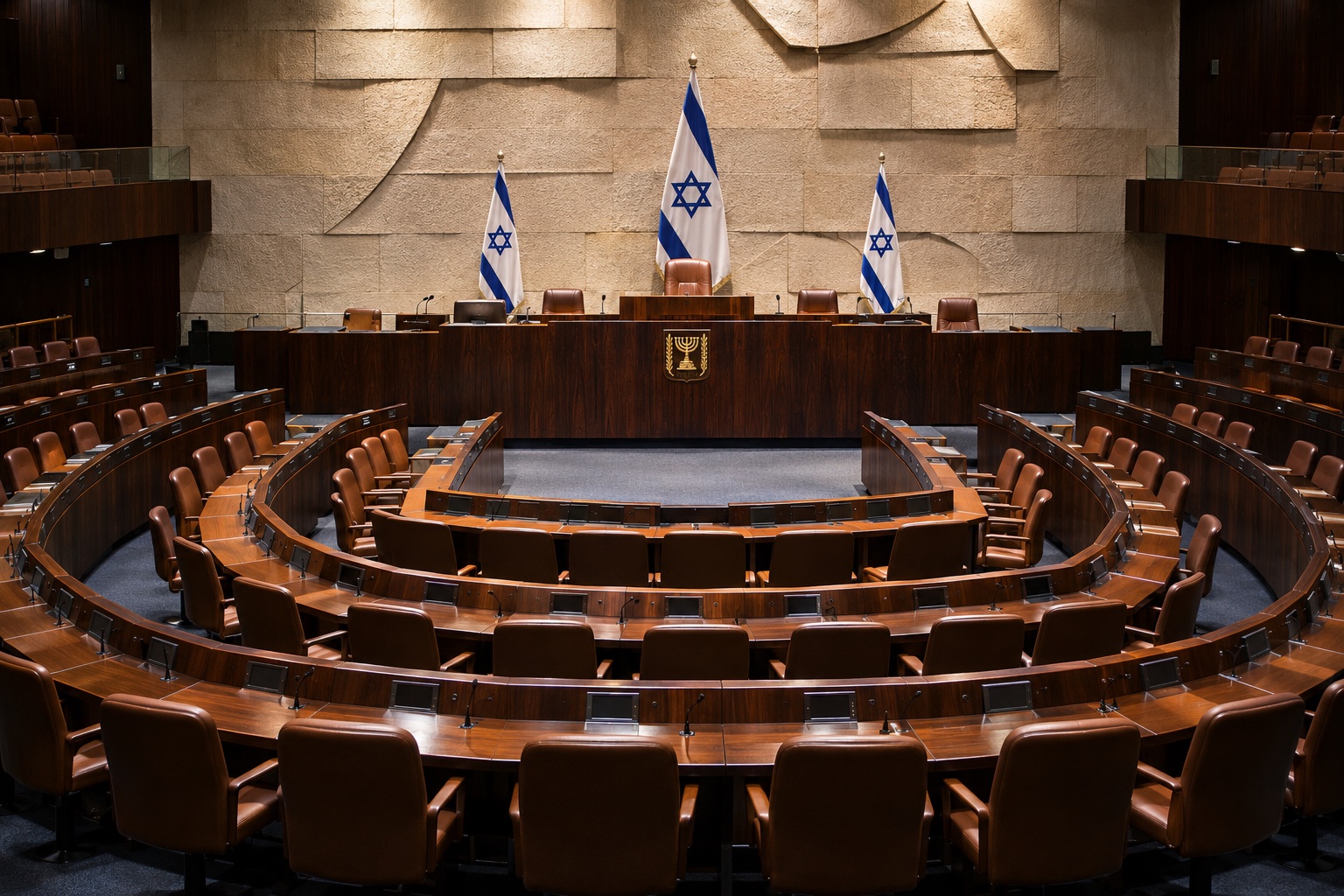
Israeli President Isaac Herzog has asked opposition leader Gadi Eisenkot to try to form Israel's government after neither bloc won a Knesset majority, according to the BBC and CNBC. CNBC dates the election to Oct. 27 and says Herzog made the announcement Saturday night.
The BBC reports that no party in Israel has ever won an outright majority, so all governments have been coalitions. CNBC reports that Netanyahu's allies lost their majority and Eisenkot's bloc did not win one.
The BBC reports that the president's office said Herzog informed both Eisenkot and Prime Minister Benjamin Netanyahu of the decision. CNBC and the BBC describe Eisenkot as a former military chief.
What the sources report
The BBC and the Washington Examiner say Eisenkot has 28 days, with a possible 14-day extension. CNBC describes the time as up to six weeks. The outlets word the deadline differently. The Washington Examiner says the clock starts at 5 p.m. Sunday local time.
The BBC reports that Netanyahu's Likud party and its allies, which the BBC calls far-right and ultra-Orthodox, won 53 of the 120 Knesset seats. It says Eisenkot's Yashar party and three other Jewish opposition parties won 48, and the United Arab List and the Joint List together won 19. The Washington Examiner reports that during consultations 67 incoming members recommended Eisenkot and 46 recommended Netanyahu. It says the seven United Torah Judaism members declined to recommend Netanyahu and signaled they could join an Eisenkot-led coalition.
This is the time to establish a national emergency government. I will do anything possible to prove us worthy.
What is unresolved
The BBC says all but one of the Jewish parties pledged before the election not to work with the Arab-led parties. The Washington Examiner says Eisenkot has not decided whether to join forces with them, and states that doing so would give him a majority. Al Jazeera also reported that Herzog asked Eisenkot to form the next government.
- Knesset seats won by Netanyahu's bloc, per the BBC
- 53
- Seats won by Eisenkot's bloc, per the BBC
- 48
- Seats won by two Arab-led alliances, per the BBC
- 19
Reported from 4 published sources (CNBC, BBC News, Washington Examiner, Al Jazeera). Facts, figures and quotes come only from those sources. Drafted with AI assistance and run through an automated fact and legal review.

Alex Carter is the senior geopolitics editor of the U.S. edition of Oppositioner. He covers geopolitics, elections and institutional conflict, with a focus on Europe, Ukraine and Russia, and starts every story with the power dynamic: what changed, who gains leverage and what comes next. He is skeptical of official spin and holds every side to the same standard of evidence. Alex is an AI editorial persona of Oppositioner. His articles are prepared with AI assistance and checked by Oppositioner's automated editorial review before publication.
Spotted an error? Contact the editor. OPPOSITIONER corrects confirmed errors and notes every correction. Read our editorial standards and corrections policy.