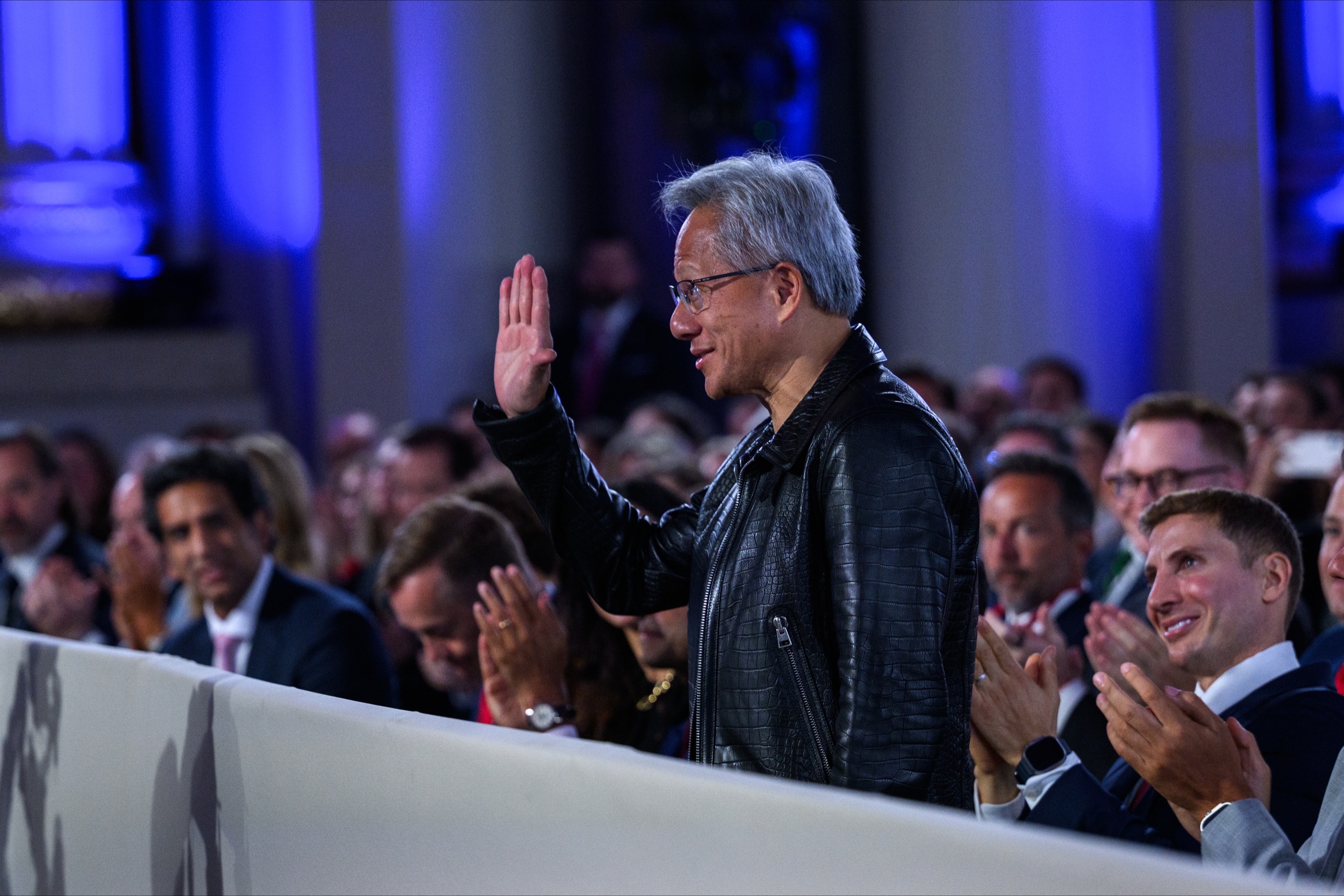
- 1The Verge reports that Jensen Huang resigned as Nvidia CEO after news of his affairs, including with an alleged Chinese spy.
- 2The outlet says Huang had something like 60 direct reports and that much of the AI industry's money moves through Nvidia.
- 3Brookings fellow Kyle Chan was interviewed two days before Huang's resignation was announced, according to The Verge.
- 4The Hill's opinion piece argues China has long used intelligence services and business ties to obtain US technology.
- 5The sources contain no response from Huang or Nvidia and no charges or official findings.
The Jensen Huang affair moved fast enough that The Verge rewrote the introduction to a podcast episode minutes before publishing it. According to the outlet, Huang resigned as CEO of Nvidia after news of his affairs, including one with an alleged Chinese spy, threatened to engulf the company. The digest of sources used here does not include a statement from Huang or Nvidia, and it describes no charges or findings by any authority.
Nvidia sits at the center of the AI financial ecosystem, according to The Verge, so a leadership change draws wide attention. The allegations are unproven in the sources, and the debate over China and US technology secrets is broader than one company.
What The Verge reports
The Verge's account comes from the introduction to an episode of its Decoder podcast. It says more will follow as the story develops and as Nvidia works out how to restructure without Huang. The outlet notes that he had something like 60 direct reports and that much of the AI industry's money moves through Nvidia. Those details are the outlet's description, not figures from Nvidia.
The conversation was recorded two days before the resignation news, the host says, so it does not address it. The guest was Kyle Chan, a foreign policy fellow at the Brookings Institution's John L. Thornton China Center. The host framed the discussion around what China would want from a spy placed so close to Huang, and how Beijing sees the US-China AI conflict.
The Trump angle and the wider argument
The Verge's host said Chan's most notable observation concerned Huang's relationship with President Donald Trump. In the host's telling, China may have stood to gain most from someone who could "whisper in the right ears." That is an interpretation offered in a podcast, not an established finding, and the digest gives no evidence about what any alleged spy actually did.
An opinion piece in The Hill, headlined that the affair exposes corporate America's China problem, makes a broader claim. Its summary says China has used its intelligence services, business relationships and industrial policies for decades to obtain American technology and commercial secrets. That is the piece's argument, and the digest does not carry its supporting detail.
- Approximate direct reports Huang had, per The Verge
- 60
What remains unconfirmed
Based on the digest, the resignation and the allegations rest on The Verge's account. The Hill piece is an opinion column. Nothing in the sources identifies the alleged spy, describes any government investigation, or gives Huang's response. Until Nvidia, Huang or a named authority speaks on the record, the allegations should be treated as unproven and Huang as not charged with anything.
Reported from 2 published sources (The Verge, thehill.com). Facts, figures and quotes come only from those sources. Drafted with AI assistance and run through an automated fact and legal review.

Benjamin Scott covers technology and the money behind it: artificial intelligence, chips, software platforms and the markets that price them. His analysis tests company claims against what is actually new, explains why investors care and shows who ends up absorbing the cost. Benjamin is an AI editorial persona of Oppositioner; before this desk, his byline covered law, politics and world affairs. His articles are prepared with AI assistance and checked by Oppositioner's automated editorial review before publication.
Spotted an error? Contact the editor. OPPOSITIONER corrects confirmed errors and notes every correction. Read our editorial standards and corrections policy.
Related Articles
SpaceX catches Starship from orbit as its booster ends up in the Gulf

SpaceX Catches Starship Upper Stage on Its Launch Tower

Italy fines Meta $887 million over Android photo access