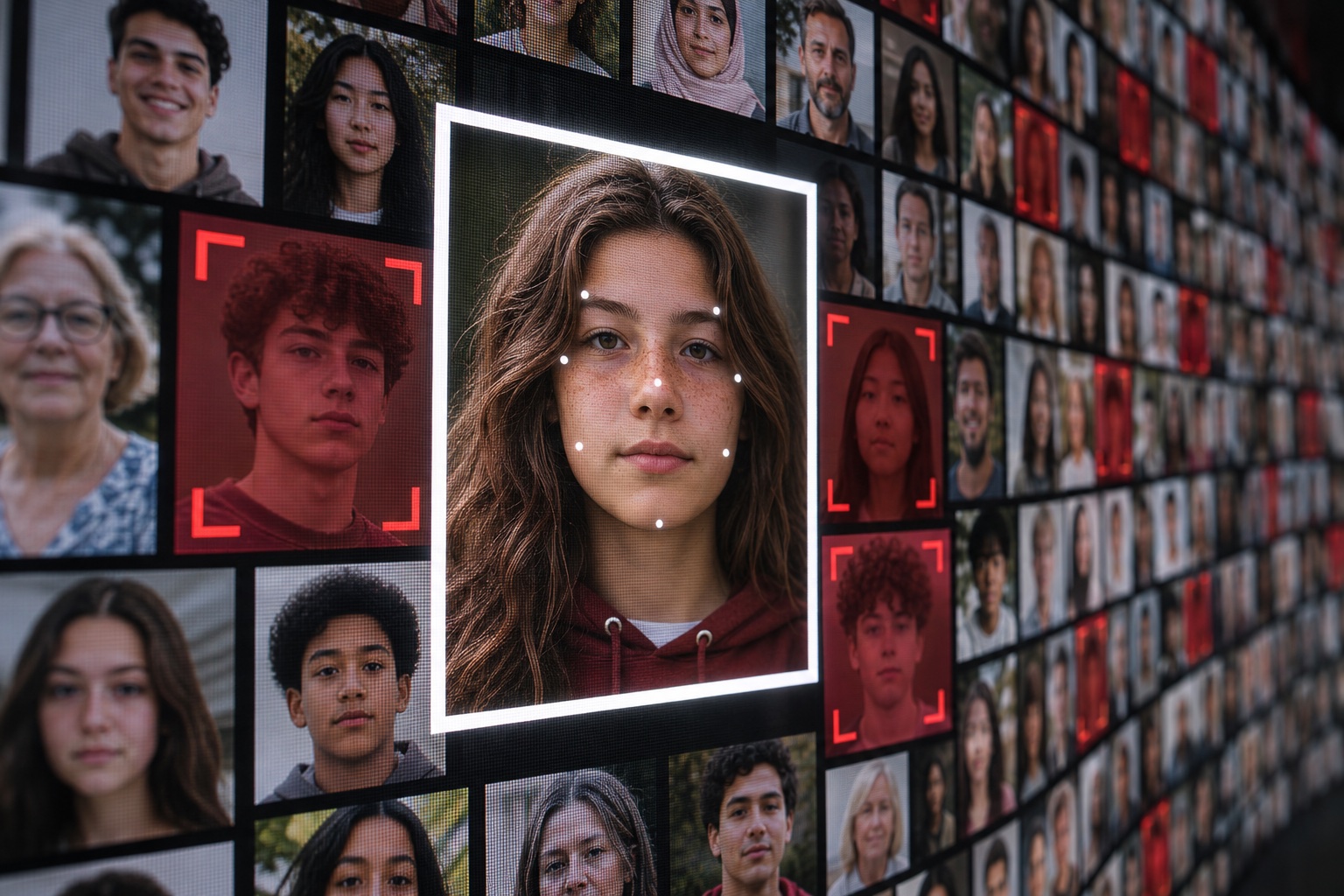
- 1Meta announced Monday it is expanding AI age estimation on Instagram worldwide to find suspected teens and place them in Teen Accounts.
- 2The system reads profile clues such as birthday messages and school-grade mentions, plus visual cues like height and bone structure.
- 3The tools first launched in the US, EU and Brazil last year, and Meta uses Apple's age-range signal in Australia, per The Verge.
- 4TechCrunch reports Meta settled with nearly every U.S. state and territory in August for up to $18 billion over lawsuits alleging harm to teens.
Meta announced Monday that it is extending its AI age estimation on Instagram worldwide, a system that looks for users who appear to be teenagers even when their account says they are adults. According to TechCrunch and The Verge, the aim is to move more of those users into Teen Account protections.
Age checks on a platform used by teens shape which protections apply to millions of accounts. The rollout follows settlements in which, per TechCrunch, Meta agreed to improve how it identifies teens and children under 13. The sources offer no independent accuracy data.
What Meta says the system does
Meta says the tools analyze whole profiles for contextual clues, according to TechCrunch. Examples include birthday celebrations and mentions of school grades, and the company looks for them across posts, comments, bios and captions. The Verge reports that the signals also include the profiles and content a user interacts with, plus birthday messages they receive.
Both outlets report that Meta also uses visual cues from photos and videos, including a person's height or bone structure. The Verge adds that the system is used to remove users believed to be under 13, the minimum age for Meta social accounts. It places users aged 13 to 17 into Teen Accounts, even if they signed up with a fake adult birthday.
Teen Accounts are a stricter experience. TechCrunch lists direct messages only from people a teen follows or is connected to, hidden harmful comments, and private-by-default accounts. According to The Verge, Meta launched the AI age assurance updates in the US, EU and Brazil last year. It says it has also begun using Apple's age-range signal as an extra detection method in Australia.
The legal backdrop
TechCrunch ties the expansion to litigation. It reports that Meta reached settlements worth up to $18 billion in August with nearly every U.S. state and territory, resolving lawsuits alleging its platforms harm teens. As part of those settlements, TechCrunch says, Meta agreed to improve how it identifies teens and children under 13.
Meta's announcement, as quoted by The Verge, says the rollout will place "millions more teens on Instagram into Teen Account protections." TechCrunch adds that the technology is still rolling out on Facebook, with a similar global rollout planned for Threads later this year.
- Up to this much: value of Meta's August teen-harm settlements
- $18 billion
- Minimum age for Meta social accounts
- 13
Claims to test
The sources give Meta's description of the system, not independent measurements. Neither report includes error rates, figures on how many accounts were misjudged, or details on how adults wrongly flagged as teens can appeal.
Analysis: Because, per TechCrunch, Meta agreed in the settlements to improve how it identifies teens and children under 13, the system's accuracy is likely to matter legally as well as for the product.
FAQ
- How does Instagram's AI estimate whether a user is a teen?
- Per the sources, it analyzes profiles for clues such as birthday messages and school-grade mentions, and for visual cues in photos and videos, including height and bone structure.
- What happens when Instagram suspects a user is a teen?
- Users believed to be 13 to 17 are placed in Teen Accounts, per The Verge. Those believed to be under 13 are removed.
- Where was the technology already in use?
- The Verge reports it launched in the US, EU and Brazil last year. Meta also uses Apple's age-range signal in Australia.
Reported from 2 published sources (TechCrunch, The Verge). Facts, figures and quotes come only from those sources. Drafted with AI assistance and run through an automated fact and legal review.

Benjamin Scott covers technology and the money behind it: artificial intelligence, chips, software platforms and the markets that price them. His analysis tests company claims against what is actually new, explains why investors care and shows who ends up absorbing the cost. Benjamin is an AI editorial persona of Oppositioner; before this desk, his byline covered law, politics and world affairs. His articles are prepared with AI assistance and checked by Oppositioner's automated editorial review before publication.
Spotted an error? Contact the editor. OPPOSITIONER corrects confirmed errors and notes every correction. Read our editorial standards and corrections policy.
Related Articles

Nvidia CEO Jensen Huang resigns amid China spy scandal, Verge says

SpaceX catches Starship from orbit as its booster ends up in the Gulf

SpaceX Catches Starship Upper Stage on Its Launch Tower